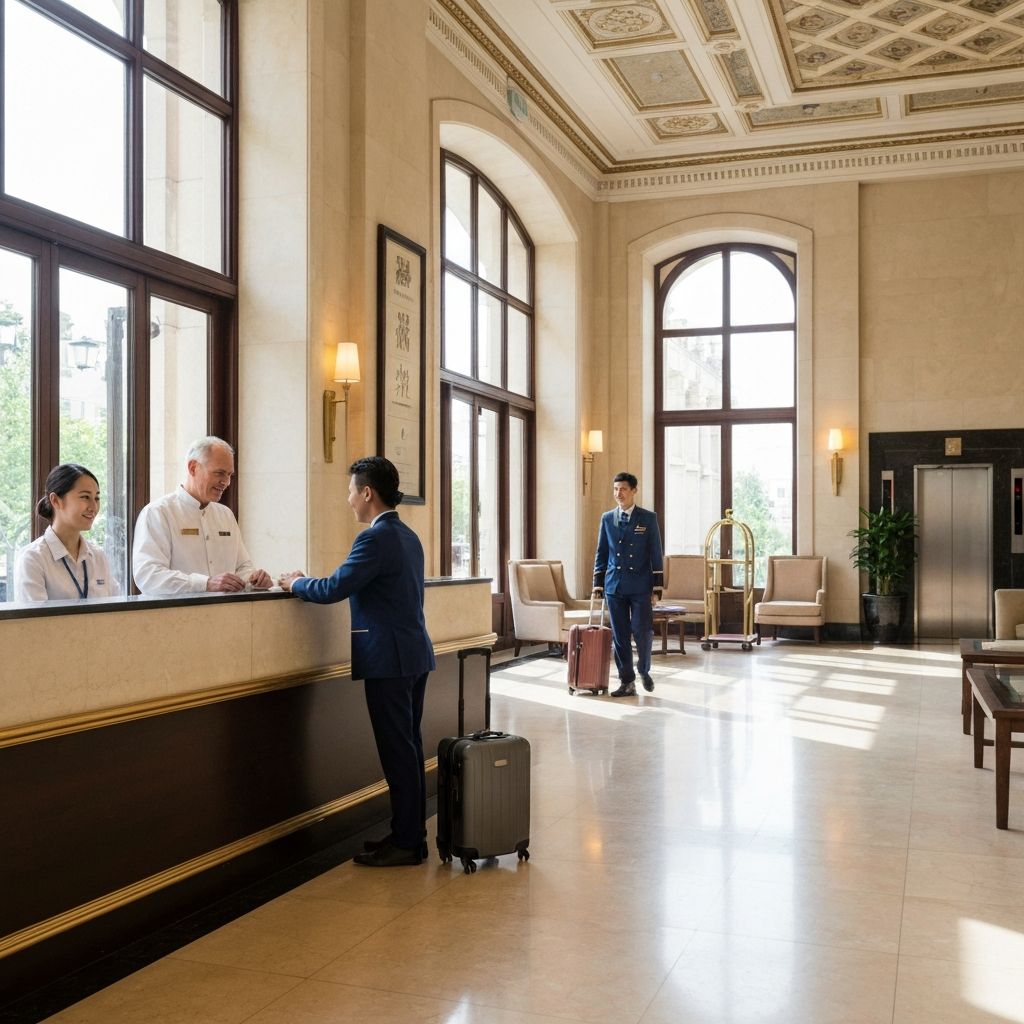
The hotel industry continues to face one of its most significant challenges: finding and keeping qualified staff. According to the 2025 Hospitality Workforce Report, hotel employment remains approximately 8% below 2019 figures, with nearly one million positions unfilled as of Q1 2025.
The numbers tell the story. While the broader leisure and hospitality sector has reached an all-time workforce high of 16.99 million jobs, hotels specifically are still struggling to recover. The industry experiences annual turnover rates of 70-80%, creating a perpetual cycle of recruiting, hiring, and training.
What's driving this shortage? The lack of qualified and committed applicants remains a persistent obstacle. Many workers who left during the pandemic found opportunities in other industries with better hours, benefits, or working conditions. Those who remained often face burnout from understaffed shifts and increased workloads.
The ripple effects are substantial. Many hotels have been forced to make difficult choices—reducing room availability, limiting amenities, or compromising service standards. Some properties have had to close sections entirely due to staffing constraints.
Perhaps most telling is how the industry has responded financially: average hospitality wages rose from $16.84 to $22.70 between 2020 and early 2025, establishing a new baseline for compensation. Yet even these increases haven't fully solved the recruitment challenge.
For hotel operators navigating this landscape, the key is developing a multi-pronged strategy that addresses both immediate hiring needs and long-term retention. This includes competitive compensation, clear career pathways, flexible scheduling, and a positive workplace culture. The hotels that thrive in 2025 will be those that treat their workforce as their greatest asset.